
Anger in the Digital Age: Why Social Media Is Fueling Your Frustration
Anger in the Digital Age: Why Social Media Is Fueling Your Frustration
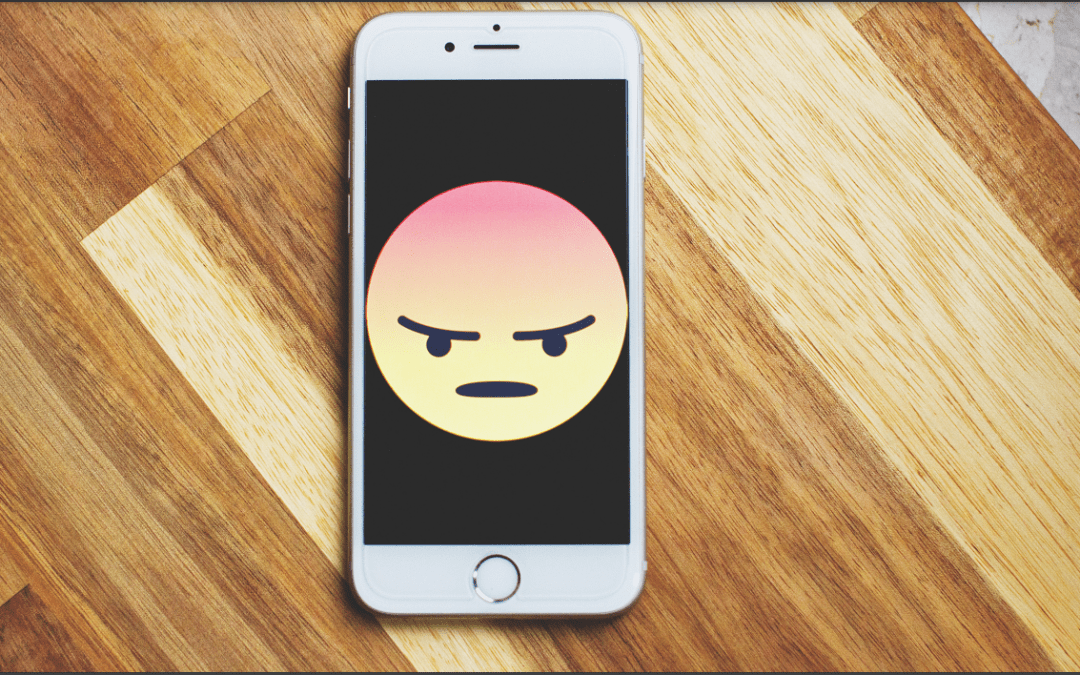
If you’ve ever closed an app feeling tense, annoyed, or emotionally drained, you’re not imagining it. Social media platforms, news feeds, and comment sections have quietly become some of the most consistent triggers of anger and irritability in our modern lives. As a psychologist working with clients in anger management programs, I see this often: irritability that seems to come out of nowhere but is actually amplified by digital overstimulation. Most people don’t connect their short fuse to their scroll habits, but the link is real, and supported by growing research. Find more information about our anger management courses here: (4 Hour Course) (8 Hour Course).

Why You’re More Reactive After Scrolling
The brain is wired to detect threats, and in the digital world, threats are everywhere. Whether it’s political outrage, negative news cycles, or the subtle pressure of social comparison, online content taps directly into your emotional regulation system.
Studies show that exposure to online conflict and social comparison increases cortisol levels, lowers frustration tolerance, and decreases empathy. The more digital noise you take in, the more likely you are to snap at your partner, get irritated in traffic, or lose patience with your kids.
Anger, Anxiety, and the “Always On” Brain
What many people experience as anger is actually a stress response that’s been building quietly in the background. Doomscrolling, comment-section arguments, and even excessive multitasking between apps create a neurological cocktail of overstimulation, tension, and low-grade anxiety, which often gets expressed as irritability.
This is especially true if your brain doesn’t get time to rest. In my work using CBT-based anger management strategies, we focus not just on reducing outbursts but on identifying and reducing the buildup of unseen triggers, including digital ones.
3 Boundaries That Can Lower Digital-Induced Anger
Here are three strategies I often recommend to clients looking to reduce their screen-related stress:
1. Set a “Start-of-Day Buffer”
Don’t open any apps, especially news or social media, during the first 30 minutes of your day. This protects your mindset and nervous system from an immediate flood of external stress.
2. Make Your Phone “Off-Limits” at Key Times
Create sacred screen-free zones, such as mealtimes, your commute, or the hour before bed. These breaks allow your brain to rest and reconnect to the present.
3. Audit Who You Follow
If an account regularly sparks outrage, envy, or insecurity, unfollow it. Instead, choose content that grounds you—whether it’s calming, educational, or humorous. Your feed should serve your emotional well-being, not hijack it.
Anger isn’t just personal anymore, it’s digital. But the good news is, with awareness and a few intentional boundaries, you can break the cycle. You don’t have to keep absorbing chaos every time you open your phone. You can choose peace and reclaim control over how you feel.